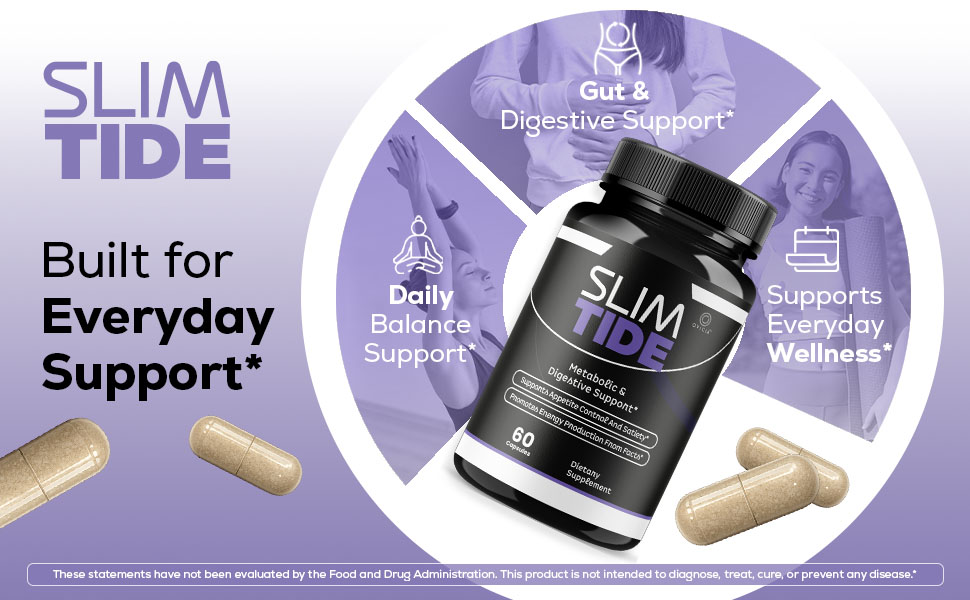
SlimTide: Your Complete Weight Loss Solution for a Healthier, Leaner & More Confident You!
Maintaining a healthy weight has become increasingly important in today's fast-paced world. Sedentary lifestyles, processed foods, stress, and inadequate sleep have contributed to rising rates of overweight and obesity across many populations.
While countless weight-loss products promise quick results, sustainable weight management is built on consistent habits rather than shortcuts.
🚀EXCLUSIVE SAVINGS AVAILABLE – CLICK HERE TO GET YOURS TODAY 🚀
SlimTide is a lifestyle-focused approach that encourages balanced eating, regular physical activity, proper hydration, quality sleep, and positive daily routines.
Instead of relying on restrictive diets or unrealistic expectations, SlimTide emphasizes gradual progress that supports long-term health.
This guide explores the principles of healthy weight loss, practical nutrition strategies, exercise recommendations, and lifestyle habits that can help individuals reach and maintain a healthier weight.
⭐Where To Buy — Official Website
🎯OverView Performance — ★★★☆☆ (3/5)
⭐Product — SlimTide
🎯Best-Selling Deal is LIVE
🎇Availability — Available online
What Is Healthy Weight Loss?
Healthy weight loss involves reducing excess body fat while preserving muscle mass and maintaining good nutrition. For most adults, a gradual weight loss of about 1–2 pounds (0.5–1 kg) per week is generally considered realistic and sustainable, though individual results vary.
Successful weight management depends on creating a calorie deficit through a combination of nutritious eating and physical activity while ensuring the body still receives the nutrients it needs.
Why Excess Weight Matters
Carrying excess body fat may increase the risk of several health conditions, including:
High blood pressure
Type 2 diabetes
Heart disease
Stroke
Sleep apnea
Joint pain
Fatty liver disease
Losing even a modest amount of weight can improve blood sugar control, lower blood pressure, reduce strain on joints, and improve overall quality of life.
The Foundations of the SlimTide Lifestyle
1. Balanced Nutrition
No single food causes weight loss on its own. A balanced eating pattern provides the nutrients your body needs while helping you feel satisfied.
A nutritious diet often includes:
Fresh vegetables
Fruits
Whole grains
Lean proteins
Healthy fats
Legumes
Nuts and seeds
Limiting highly processed foods, sugary drinks, and frequent high-calorie snacks can make it easier to maintain a calorie deficit without sacrificing nutrition.
2. Protein for Fullness
Protein supports muscle maintenance and can help reduce hunger.
Examples include:
Chicken
Turkey
Fish
Eggs
Cottage cheese
Greek yogurt
Lentils
Beans
Tofu
Tempeh
Including protein with each meal may help improve satiety and reduce unnecessary snacking.
🚀EXCLUSIVE SAVINGS AVAILABLE – CLICK HERE TO GET YOURS TODAY
3. Fiber Supports Digestion
Fiber promotes digestive health and helps you stay full for longer.
High-fiber foods include:
Oats
Apples
Pears
Broccoli
Carrots
Beans
Chickpeas
Whole grains
Chia seeds
Flaxseeds
Adults should aim to consume adequate fiber through a varied diet.
Healthy Eating Habits
Changing eating behaviors can be just as important as changing food choices.
Helpful habits include:
Eating slowly
Planning meals ahead
Avoiding emotional eating
Cooking more meals at home
Reading nutrition labels
Choosing water over sugary beverages
Practicing portion awareness
These habits can make healthy eating easier to maintain over time.
Hydration and Weight Management
Water plays an important role in many bodily functions, including temperature regulation, digestion, and exercise performance.
Drinking water before meals may help some people feel fuller, reducing overall calorie intake. Staying hydrated is also important during physical activity and in warm weather.
Exercise: Moving Your Body Every Day
Physical activity supports weight management by increasing energy expenditure and improving cardiovascular fitness.
Walking
Walking is one of the simplest forms of exercise. Even brisk walking for 30–45 minutes most days of the week can contribute to better health.
Cycling
Cycling strengthens the lower body while providing an effective cardiovascular workout.
Swimming
Swimming is gentle on the joints while engaging many muscle groups.
Dancing
Dance-based workouts provide enjoyable aerobic exercise that can improve coordination and endurance.
Strength Training
Resistance exercises help preserve muscle during weight loss and improve overall strength.
Examples include:
Bodyweight squats
Push-ups
Lunges
Dumbbell rows
Resistance band exercises
🚀EXCLUSIVE SAVINGS AVAILABLE – CLICK HERE TO GET YOURS TODAY 🚀
The Importance of Recovery
Recovery is often overlooked but is essential for long-term success.
Recovery includes:
Getting enough sleep
Taking rest days
Stretching after workouts
Managing stress
Staying hydrated
Adequate recovery helps reduce injury risk and supports consistent progress.
Sleep and Hormonal Health
Poor sleep can influence hormones involved in appetite regulation, making it harder to maintain healthy eating habits.
Good sleep habits include:
Keeping a regular bedtime
Limiting screen time before bed
Sleeping in a dark, quiet room
Avoiding large meals late at night
Limiting caffeine later in the day
Managing Cravings
Food cravings are normal and do not necessarily mean you lack willpower.
Strategies that may help include:
Eating regular meals
Including enough protein and fiber
Staying hydrated
Keeping nutritious snacks available
Finding non-food ways to cope with stress
Occasional treats can fit into an overall balanced eating pattern.
Building Long-Term Habits
Long-term success comes from habits that can be maintained.
Examples include:
Meal planning once a week
Preparing healthy lunches
Taking the stairs
Walking after dinner
Exercising with friends
Tracking progress through habits rather than weight alone
Small, consistent changes often lead to meaningful results over time.
Common Myths About Weight Loss
Myth: Carbohydrates should always be avoided.
Reality: Whole-grain and high-fiber carbohydrates can be part of a healthy diet.
Myth: Skipping meals speeds up weight loss.
Reality: Skipping meals may increase hunger and make overeating more likely for some people.
Myth: Sweating more means burning more fat.
Reality: Sweating reflects fluid loss, not necessarily fat loss.
Myth: One "superfood" causes weight loss.
Reality: Overall eating patterns matter more than any single food.
🚀EXCLUSIVE SAVINGS AVAILABLE – CLICK HERE TO GET YOURS TODAY 🚀
Staying Motivated
Maintaining motivation can be challenging, but these tips may help:
Set achievable goals.
Focus on progress instead of perfection.
Celebrate non-scale victories, such as improved stamina or better sleep.
Keep a journal of healthy habits.
Surround yourself with supportive people.
Be patient with setbacks and return to your routine.
Frequently Asked Questions
How long does healthy weight loss take?
It varies depending on factors such as age, activity level, nutrition, and starting weight. Consistency is more important than speed.
Do I need to exercise every day?
Regular movement is beneficial, but rest and recovery are also important. A balanced routine that includes both active and recovery days is ideal.
Can I still enjoy my favorite foods?
Yes. A balanced lifestyle allows room for favorite foods in moderation while emphasizing nutritious choices most of the time.
Are supplements necessary?
Many people can meet their nutritional needs through food alone. Before using supplements for weight loss, consult a qualified healthcare professional, as many products have limited evidence or may not be appropriate for everyone.
Conclusion
SlimTide promotes a practical, sustainable approach to healthy weight management by encouraging balanced nutrition, regular physical activity, adequate hydration, quality sleep, and positive lifestyle habits.
Rather than chasing rapid results, the focus is on building routines that support long-term health and well-being.
Successful weight loss is not defined by perfection but by consistency. By making informed food choices, staying active, managing stress, and prioritizing overall wellness, individuals can improve their health, increase their energy, and create lasting habits that support a healthier future.